
News
Competition Committee Examines Cases of Compensation Payments to Passengers for Flight Delays
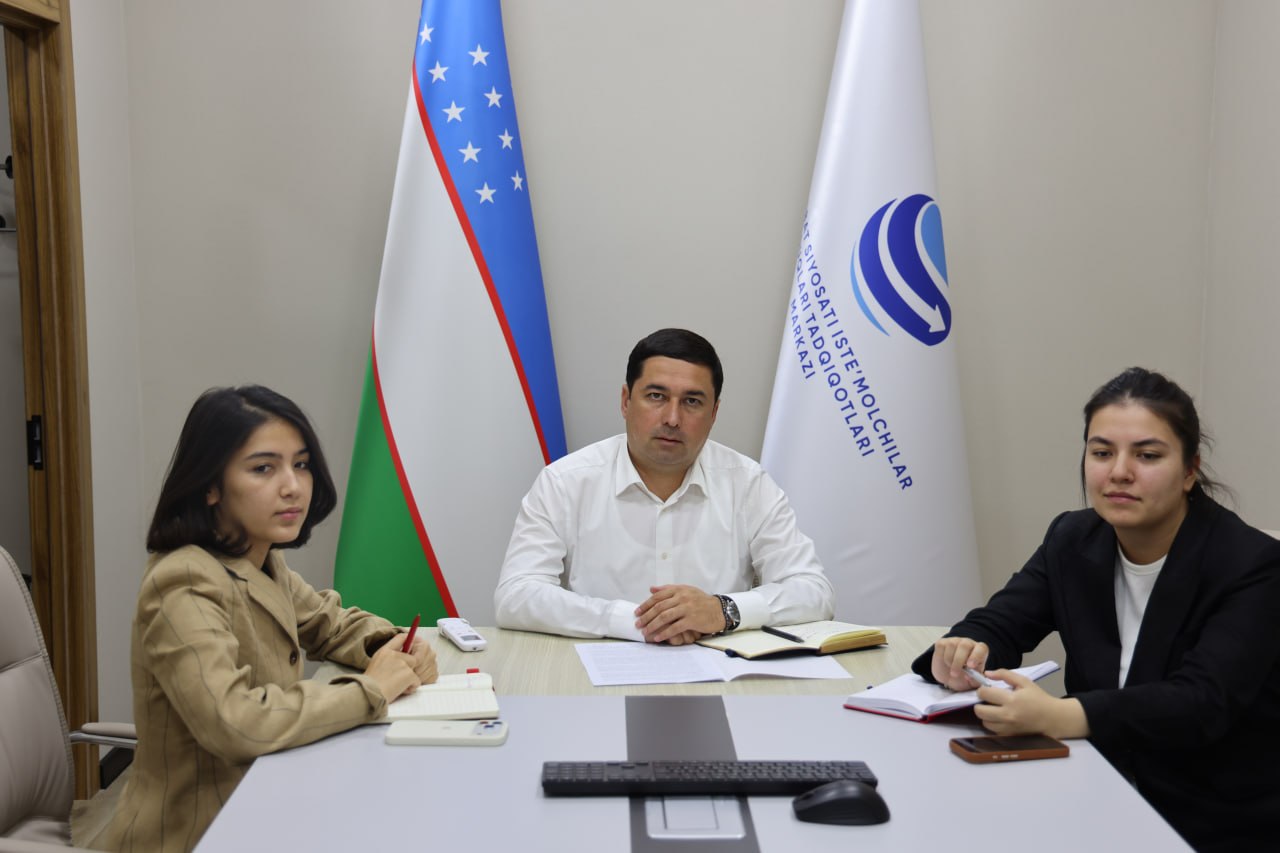
Online Training on Harvard University’s Economic Complexity Index Methodology Held
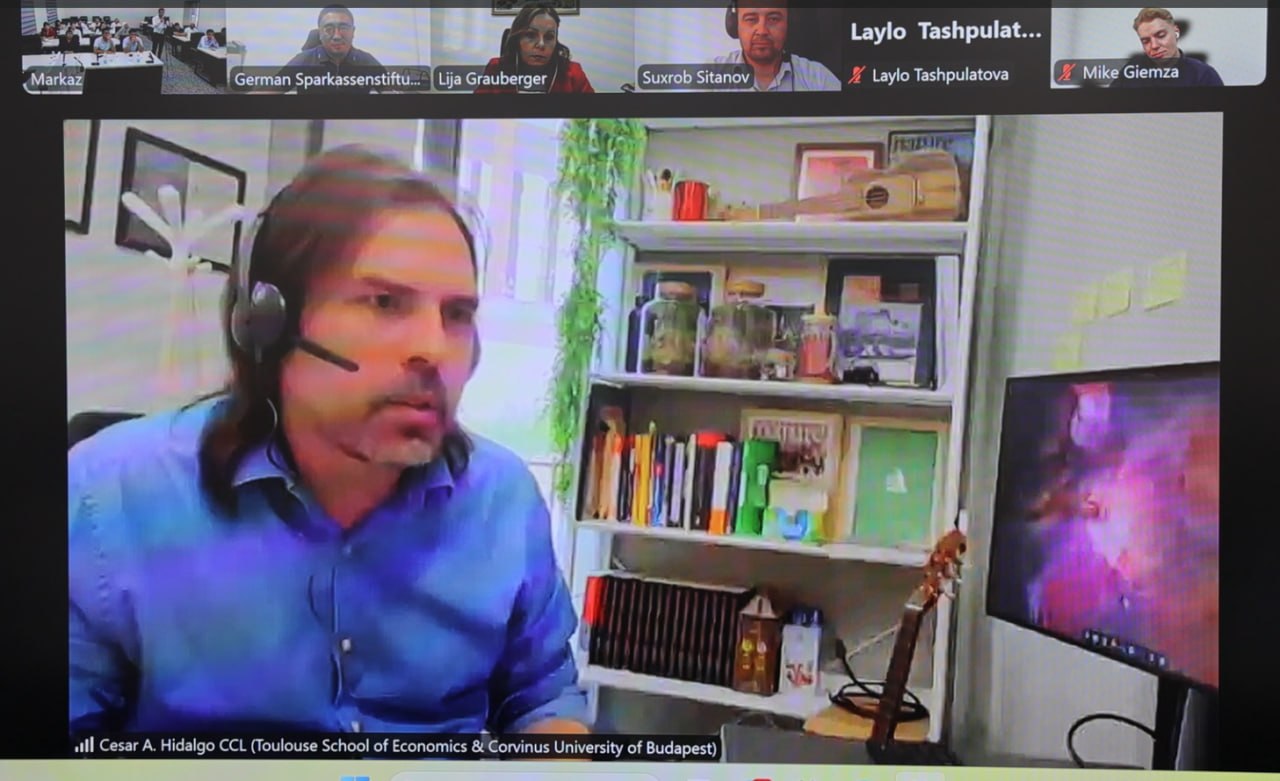
International Online Training with César Hidalgo Begins

Product Safety in Online Trade: A Global Challenge and New Solutions
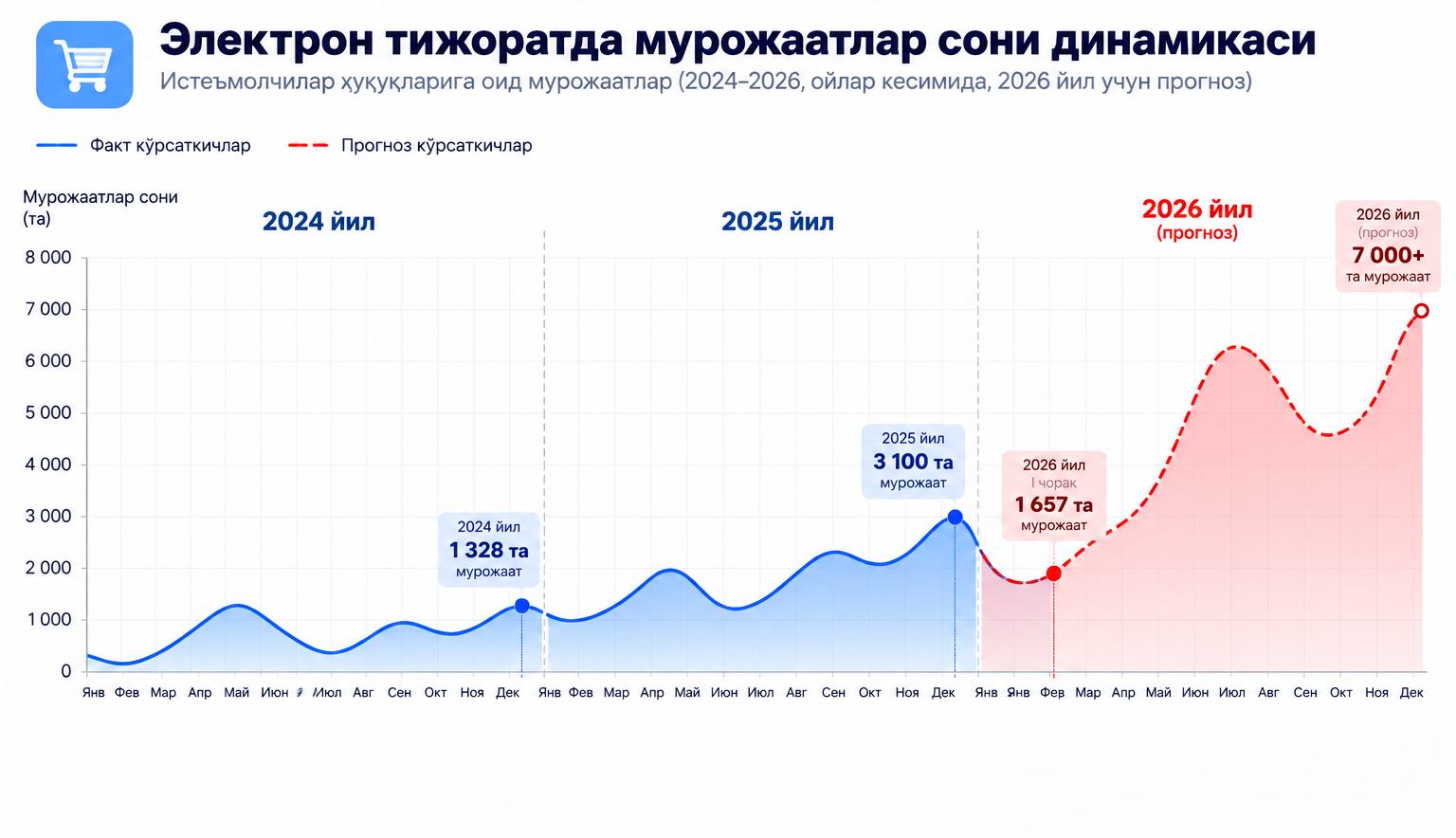
Automatic subscriptions: how is consumers’ right to choose protected?
With the development of digital services, automatically renewing subscriptions are becoming increasingly common in everyday life. While such services provide convenience for consumers, automatic subscription renewals and recurring charges require particular attention from the perspective of consumer protection. The key issue is that just as consumers can easily subscribe to a service, they should also be able to cancel it easily and in a clear and straightforward manner. Requirements in this area are also being strengthened internationally. In the United States*, following the case against* Amazon, the company was required to pay $2.5 billion and change its subscription system*. In the* United Kingdom*, requirements are being introduced to notify consumers before automatic payments and make it easier for them to cancel subscriptions.* As the digital services market continues to expand in Uzbekistan, this international experience is also becoming increasingly relevant. Read more
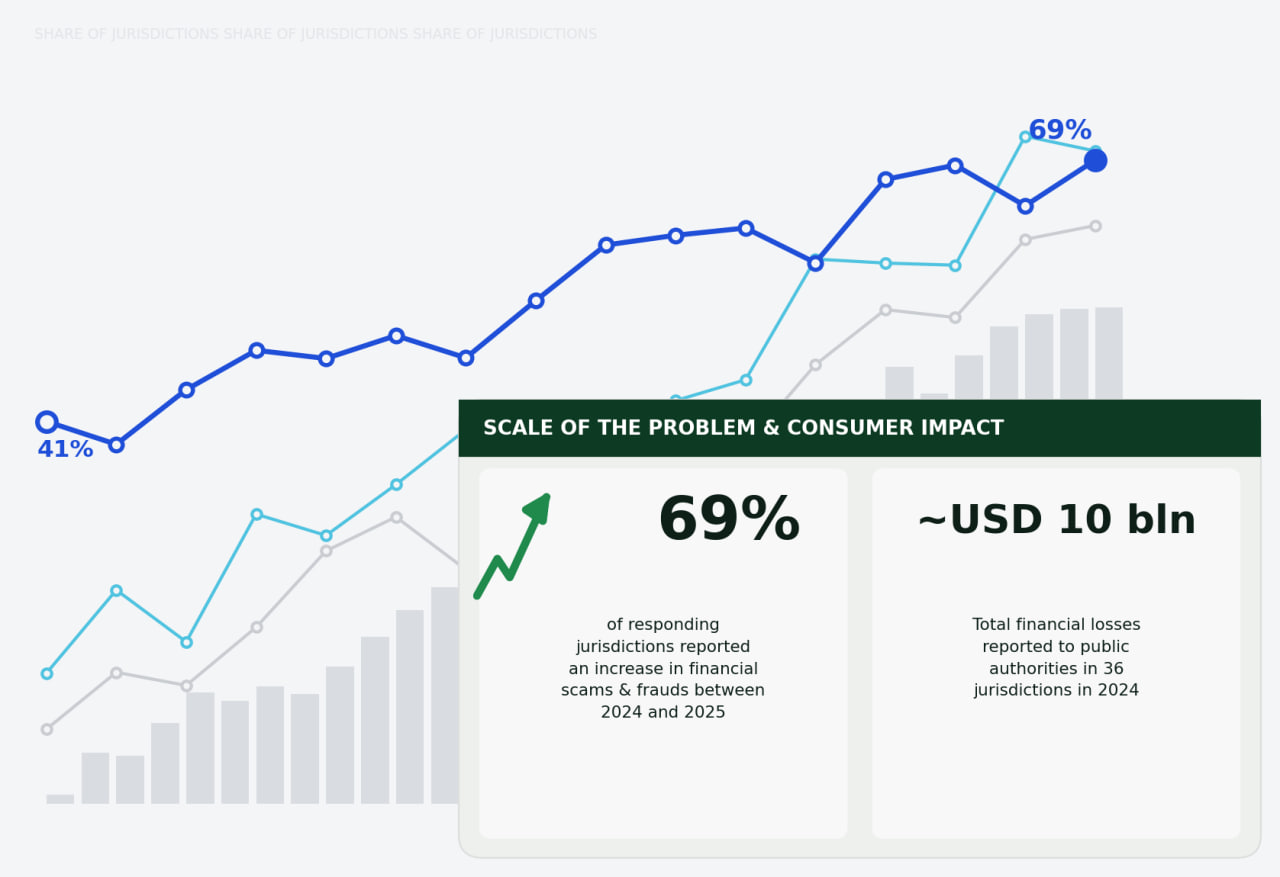
Financial Fraud: A Growing Threat to Consumers
According to an analysis by the Organisation for Economic Co-operation and Development (OECD) on protecting consumers from financial fraud, this type of fraud is becoming an increasingly serious problem worldwide. 69% of the countries surveyed reported an increase in such cases in 2024–2025, while 1 in 7 consumers reported having fallen victim to financial fraud. The largest financial losses are caused by scams involving fake electronic messages and calls, fraudulent approaches made in the name of financial service providers, various deceptive payment schemes*, as well as fraud involving bank cards and mobile banking services. Therefore, the OECD promotes grouping fraud schemes under a unified classification system and regularly collecting data on them as important tools for combating fraud. This highlights the growing importance of not only taking action after fraud has occurred, but also early risk detection, improving digital and financial literacy, and creating accessible platforms for consumers to submit complaints and seek assistance.
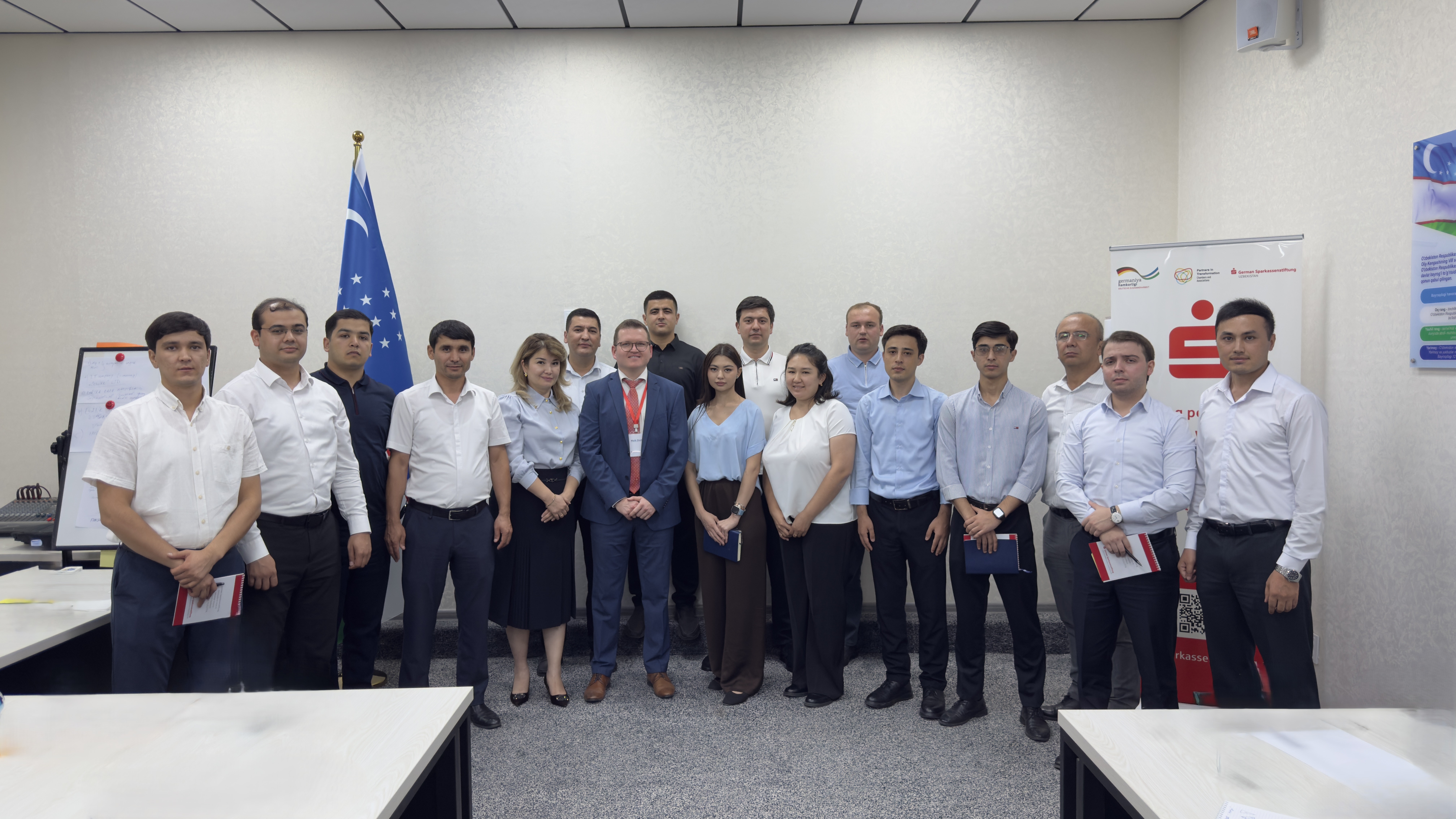
Training Seminar on “Project Management Methods” Organized
A training and practical seminar on “Project Management Methods” was organized for the employees of the Competition Policy and Consumer Rights Research Center in cooperation with the German organization German Sparkassenstiftung for International Cooperation. Held in a Peer-to-Peer Training format, the seminar focused on modern approaches to effective project planning, management, and implementation. Participants explored the key features of Traditional, Agile, and Hybrid Project Management methods and discussed practical aspects of applying them to various projects. The seminar contributed to developing practical skills in applying modern project management methods and enhancing the professional competencies of the Center’s employees.

Help line
Do you have any statements, complaints or suggestions? Contact Us via our helpline