
News



New Opportunities for Economic Growth Identified in Syrdarya Region
In order to ensure the implementation of the instructions given by the President of the Republic of Uzbekistan at the video conference held on June 25, 2026, comprehensive studies are being conducted in the districts and cities of the Syrdarya Region to identify existing reserves and opportunities, as well as to increase the volume of gross regional product. In particular, on August 10–11 this year, at the initiative of the Competition Policy and Consumer Rights Research Center under the Competition Committee, field studies are being organized in the districts and cities of the region with the participation of scholars from more than 20 leading research institutions in the country and experts from relevant government agencies. The studies involve representatives of the Competition Policy and Consumer Rights Research Center under the Competition Committee, Tashkent University of Architecture and Civil Engineering, the Research Institute for the Development of Digital Technologies and Artificial Intelligence, the Center for Space Monitoring and Geo-Innovation Technologies, Tashkent State Transport University, Tashkent Institute of Chemical Technology, Tashkent Pharmaceutical Institute, Gulistan State University, Gulistan State Pedagogical Institute, as well as representatives of other relevant organizations. Working groups are analyzing the socio-economic conditions of each territory, existing challenges, untapped potential and growth points, while identifying priority research areas and practical measures. Based on the findings of the studies, specific proposals and recommendations will be developed to formulate new investment projects, ensure fuller utilization of the capacities of existing enterprises, create new jobs, and strengthen the economic potential of the regions. |Telegram |Facebook|Instagram|

A New Stage of Cooperation with France
#MediaAboutUs An official meeting was held between Olimjon Jumayev, Director of the Competition Policy and Consumer Rights Research Center under the Competition Committee, and Maxime Boyer, Deputy Mayor of Toulouse and Vice President of Toulouse Métropole. During the meeting, the parties discussed expanding cooperation in competition policy, economic research, and capacity building. They also reached an agreement to launch joint research programs with the participation of the Toulouse School of Economics (TSE). Read more — UzDaily.uz
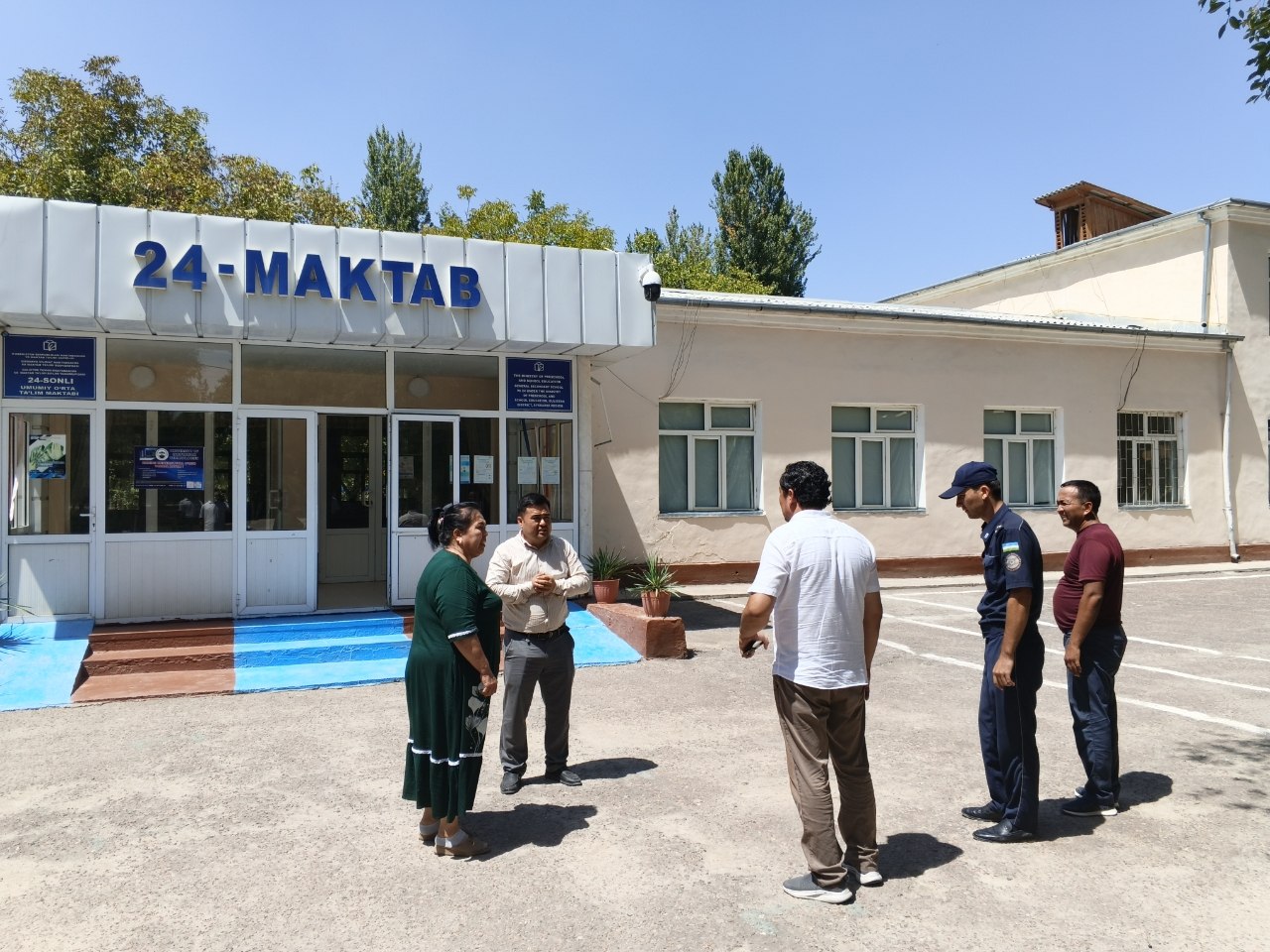
The working group continues its field assessments in the “Boyovut,” “Terakzor,” and “Sharq Haqiqati” mahallas
In particular, the working group assessed the possibility of allocating additional land plots for entrepreneurial activities in the “Boyovut” mahalla, examined opportunities for constructing a state-funded preschool education institution, and reviewed issues related to the non-operational water tower and the provision of quality drinking water to local residents. In the “Terakzor” mahalla, the group explored options for the effective utilization of a building that has remained vacant for many years. Discussions were also held with the commercial bank serving as the balance holder of the property regarding its integration into economic activity.

Help line
Do you have any statements, complaints or suggestions? Contact Us via our helpline